XVigilproduct design
livesince 2019cloudsek.com
From a logo to a multi-product ecosystem
I started at CloudSEK in 2019 by creating its first brand identity, including the logo. Over the next three years I shaped the company’s whole design practice, from the product experience of XVigil to a multi-product ecosystem. The work covered UX, UI, branding, product design and the design system. I also built and led the design team, from one designer to a multidisciplinary group.
From UI engineer to product designer
At CloudSEK I moved from UI engineer and part-time graphic designer to full-time product designer. The engineering background helped me judge technical constraints and feasibility. The graphic design background gave me a base in visual communication. Together they let me work between the design and development teams, on solutions that looked good and could actually be built.
XVigil, a digital risk monitoring platform
XVigil was the flagship product. Its core service, Infra Monitor, protects a client’s digital infrastructure by continuously scanning their web applications, networks and cloud infrastructure for vulnerabilities and threats.
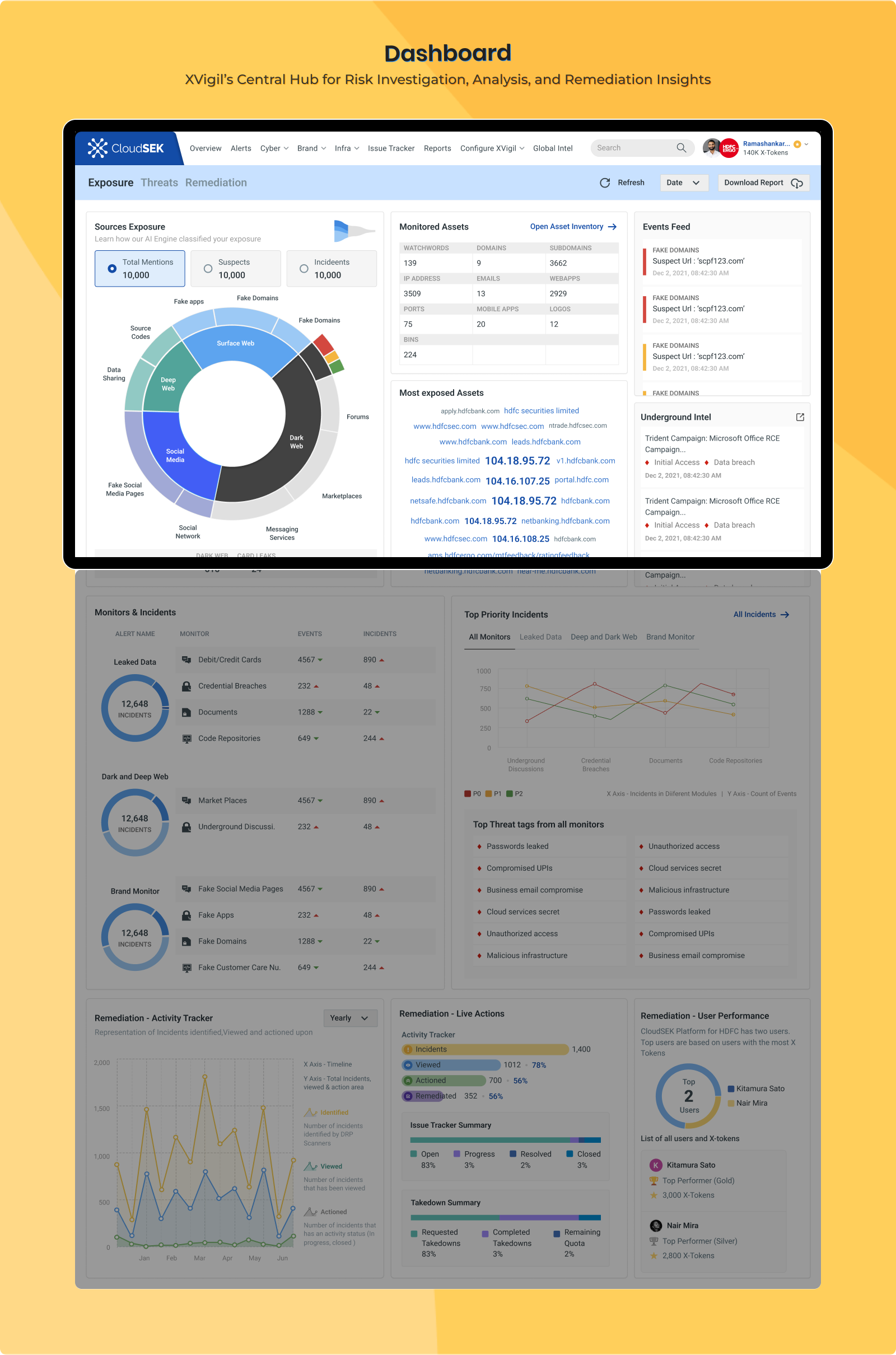
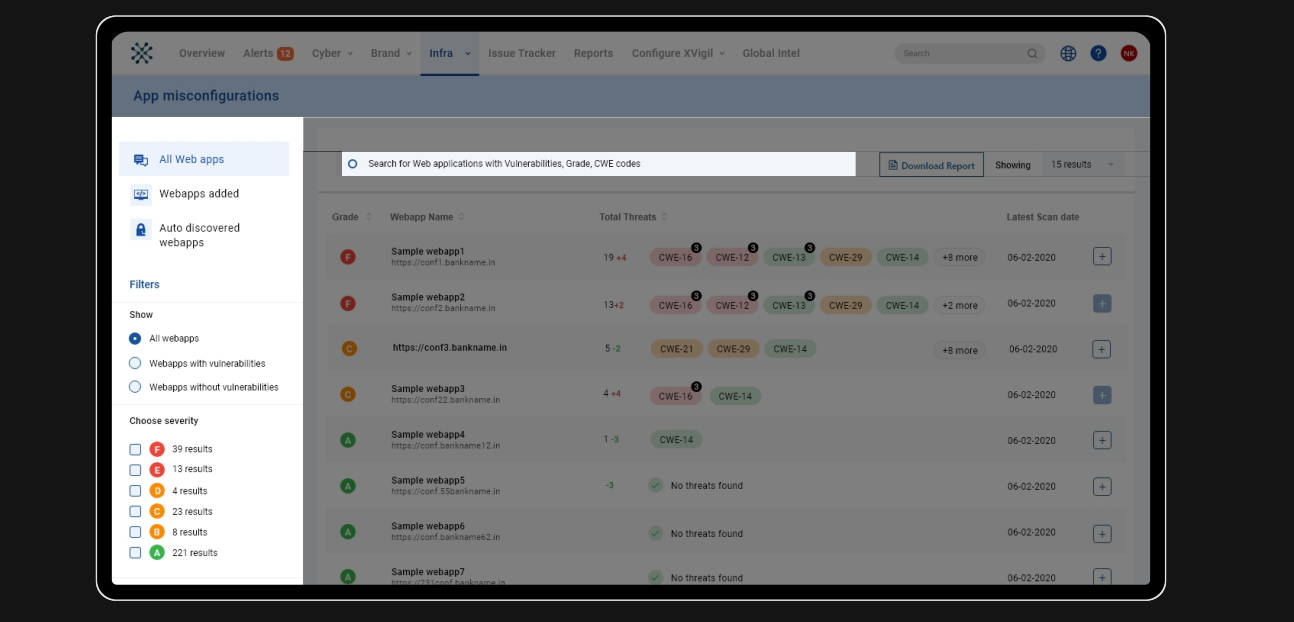
As Senior UX Designer, I led the redesign of this module, the main tool organisations use to find, track and fix vulnerabilities across their digital assets. The old version had complex navigation, confusing data displays and no collaboration features, so security teams struggled to find and act on threats quickly. Users spent more time getting around the interface than fixing critical issues.
I started with research: interviews with stakeholders and users, competitive analysis, and a detailed review of the existing system. The biggest problems were getting to critical information quickly and tracking issues over time. From that I set requirements to simplify navigation, make the information structure consistent, and improve the data visualisation. In two-week sprints I presented iterations to product leadership and engineering, and folded in their feedback through design critiques and sprint reviews.
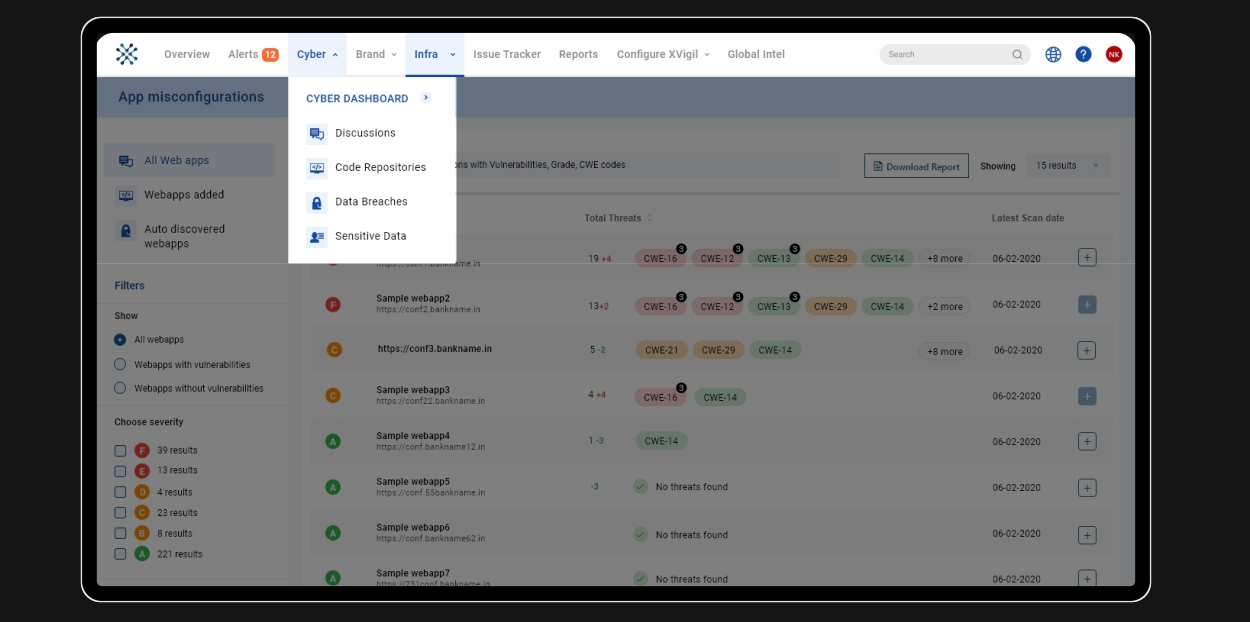
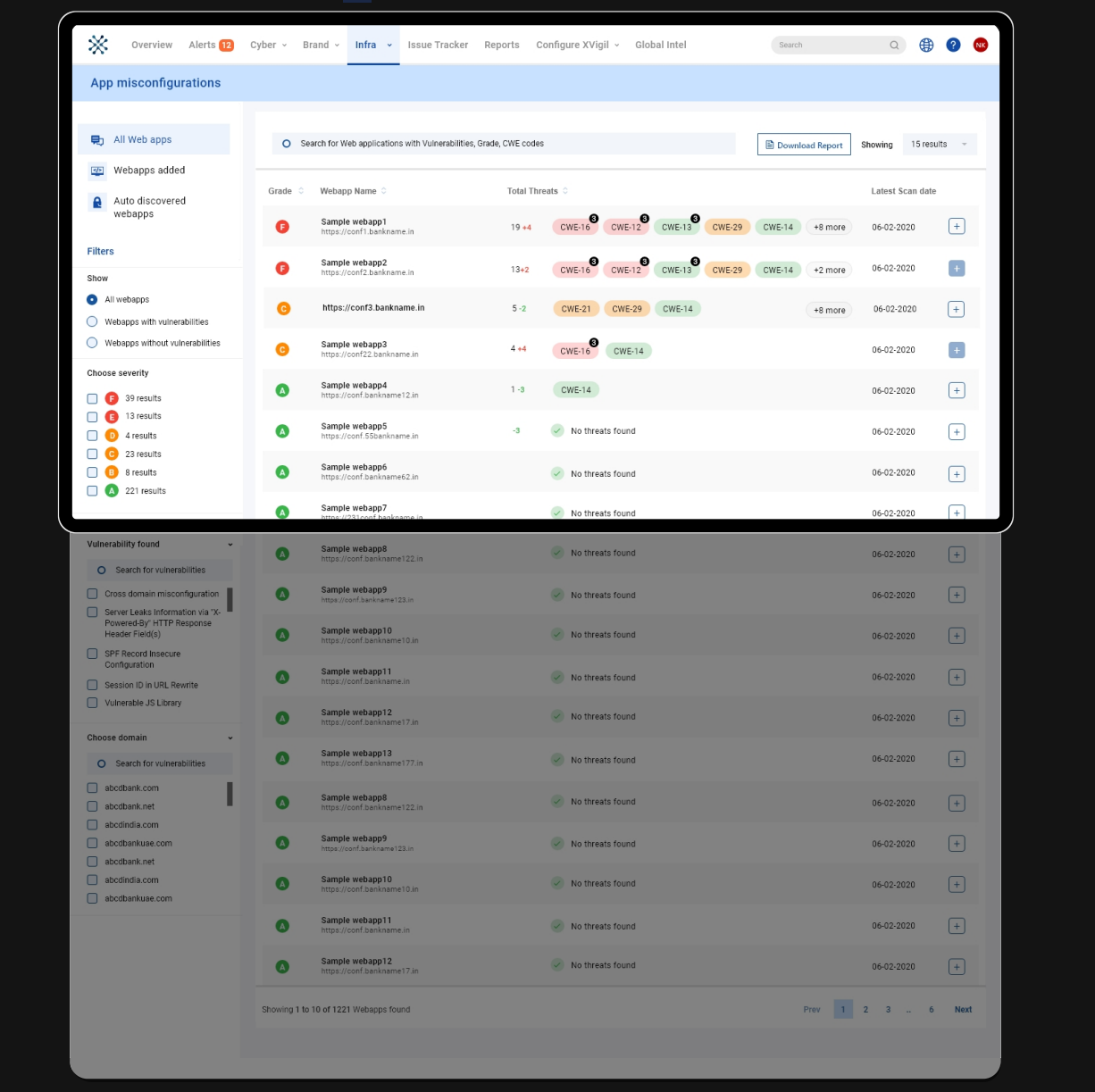
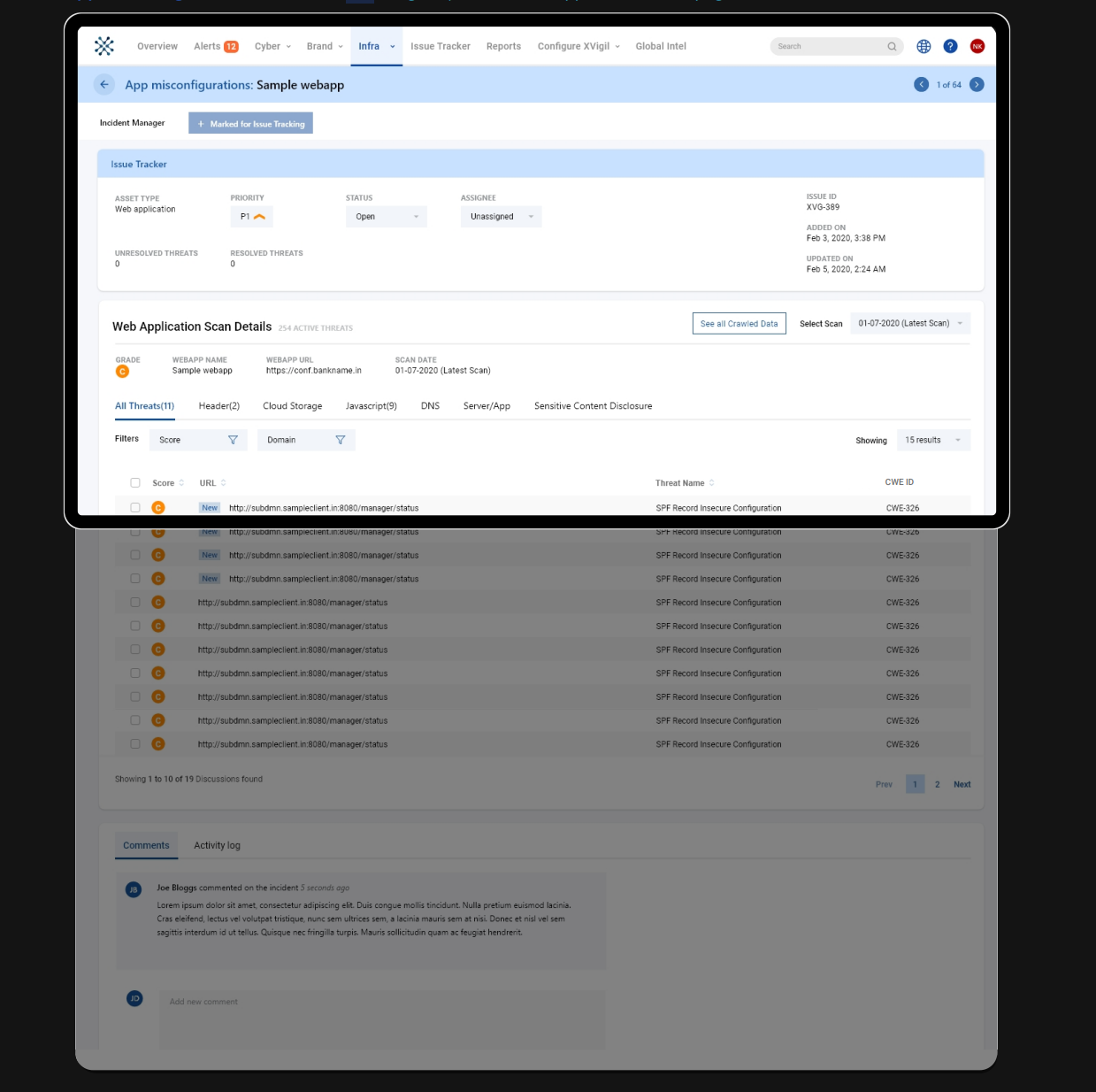
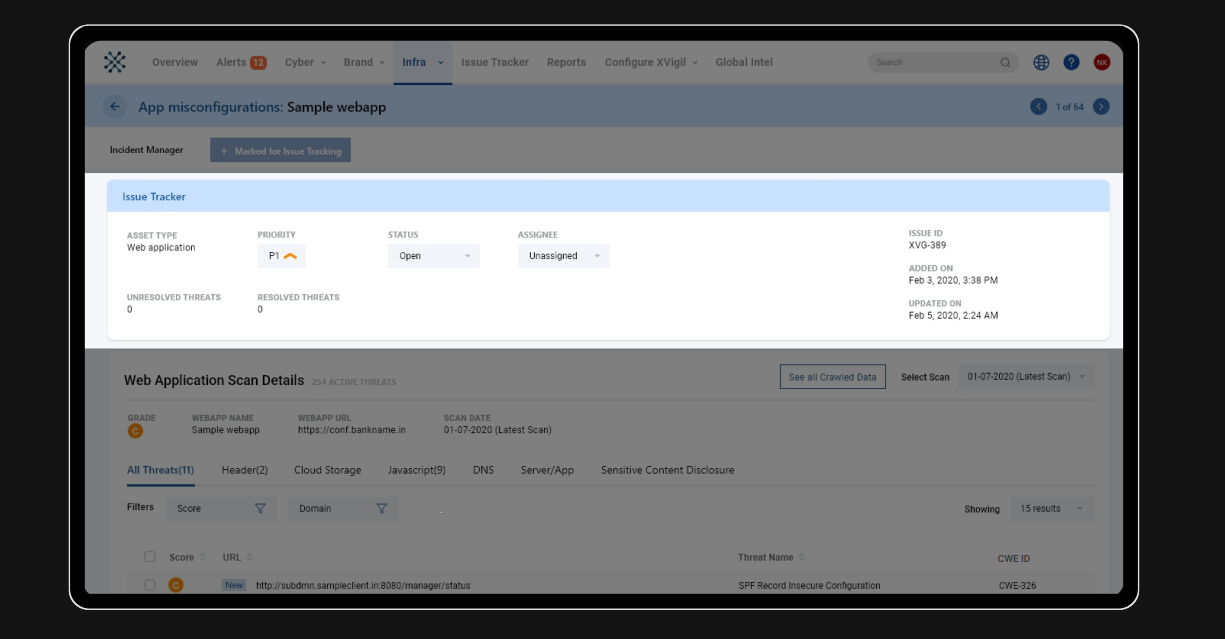
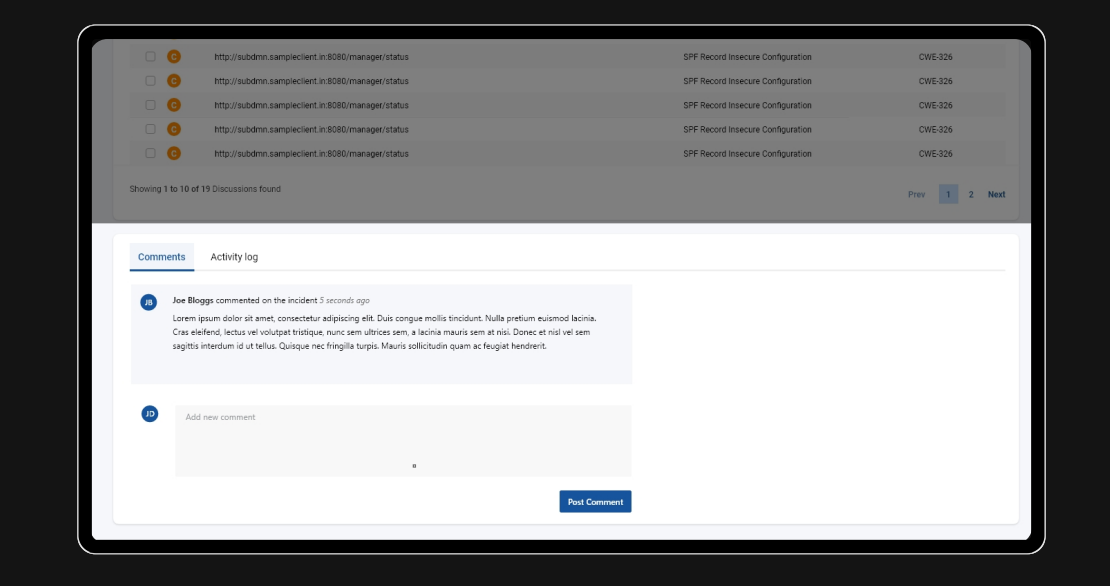
The new design has two-level navigation, asset management with advanced filtering, and clear indicators of vulnerability severity. It also adds full scan details and collaborative issue tracking, so teams can assign, track and discuss vulnerabilities. I refined these through wireframes, prototypes and user testing.
Results
- Time to start a scan and reach the results fell by 70%.
- Users rating it intuitive rose from 32% to 85%.
- Module usage rose by 42%, and support tickets fell by 28%.
- The redesign contributed to five major new accounts.
It also set the UX standard for the other XVigil modules, which made the whole product more consistent.
A design system that scales
As the company grew, design needed a more systematic approach. I created a design system with a component library, brand guidelines and a set of design principles. It kept every product consistent and let us build and iterate on features much faster. It was built to WCAG 2.1 AA: proper colour contrast, keyboard navigation patterns, and semantic HTML for screen readers.
Filed under product design